
Textbook access
Discuss what responsible textbook development, review, access, and future material support could require.
Partners
SetuAI is actively building partnerships with schools, education nonprofits, companies, libraries, and community groups. We work with partners to understand local needs, shape practical AI learning, and build collaborations that are thoughtful, useful, and responsibly designed.
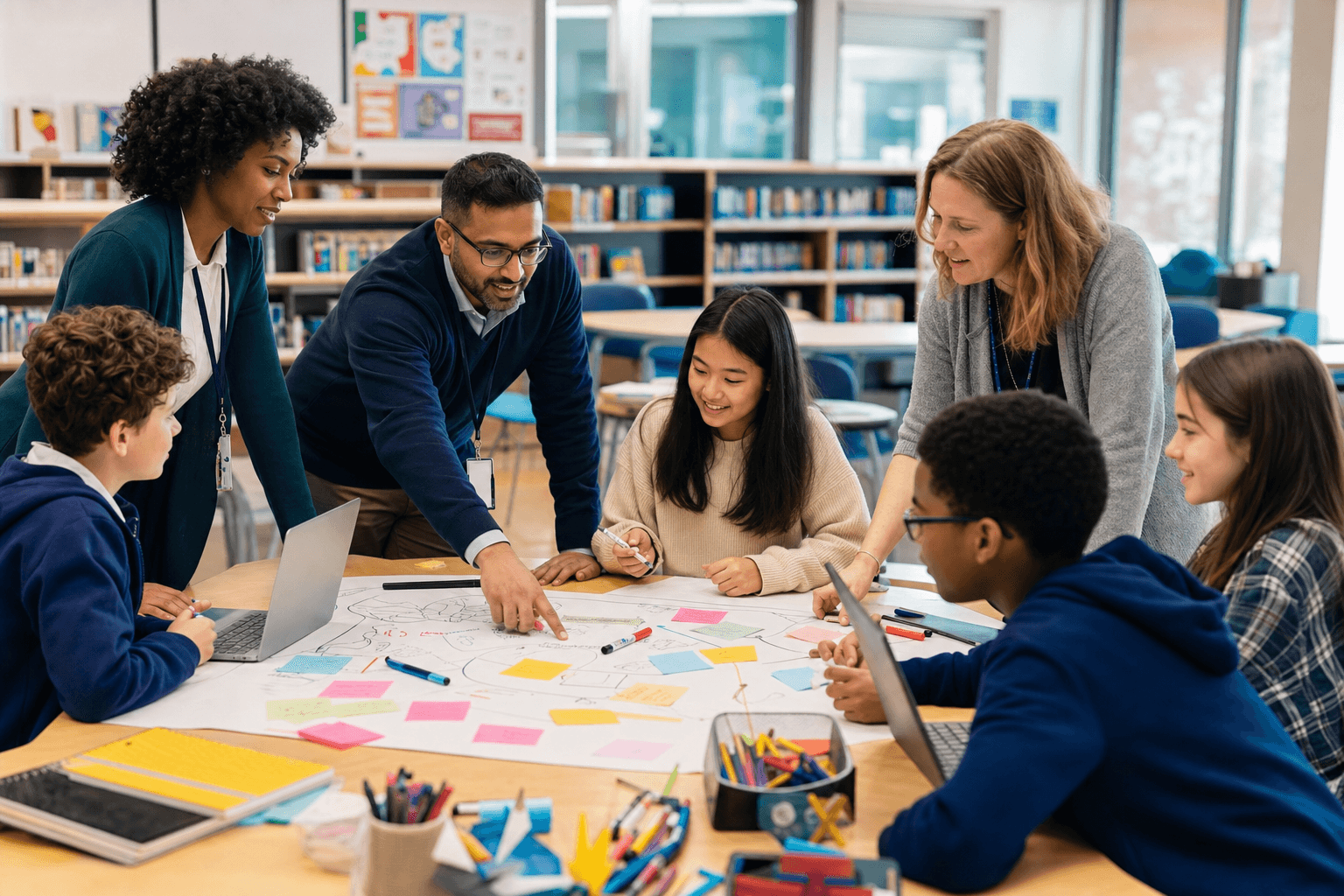
Share your setting, student or community needs, policy context, and questions about a future AI literacy collaboration.
Discuss active material development, pilot support, or collaboration opportunities without making commitments beyond what has been agreed.
Help SetuAI understand community access needs, adult support, and the conditions for a responsible future activity.
The best conversation starts with a specific audience and a realistic context. SetuAI listens to understand the learning need, the setting, and the safest next step, then shapes a practical collaboration around that context.
Discuss what responsible textbook development, review, access, and future material support could require.
Share the learning context that should shape any future activity before a workshop or pilot is proposed.
Help stress-test how privacy, misinformation, bias, attribution, and adult guidance should be handled in future materials.
Connect the people who should be in the room before a local AI literacy plan is made public.
What happens next
Tell SetuAI who you want to serve, including grade levels, location, and whether the setting is a school, company, nonprofit, library, or community group.
Clarify the learning, access, or community question you want the future work to address.
Discuss adult supervision, privacy, accessibility, policy, capacity, and whether a pilot is even appropriate.
Document what is confirmed, what needs review, and whether a future next step should be designed.